Natural disasters, health emergencies, industrial accidents, and climate-driven catastrophes are increasing in both frequency and intensity across the globe. From hurricanes and floods to earthquakes and wildfires, communities face growing risks that demand swift and coordinated action. At the heart of every effective response effort stands a dedicated team of professionals and volunteers working tirelessly to protect lives and restore stability. This leads us to a critical and timely question: How can we empower the disaster management crew to perform their duties more efficiently, safely, and sustainably?
Empowering disaster response teams is not simply about giving them better equipment. It involves comprehensive planning, institutional support, technological advancement, psychological care, and community collaboration. Agencies such as the Federal Emergency Management Agency and global humanitarian networks like the International Federation of Red Cross and Red Crescent Societies demonstrate how structured systems, training programs, and coordinated leadership can significantly enhance disaster response outcomes.
This in-depth article explores How can we can empower the disaster management crew through practical measures, innovative solutions, and sustainable strategies that strengthen preparedness and resilience worldwide.
Understanding the Role of the Disaster Management Crew
Before identifying empowerment strategies, it is essential to understand who makes up the disaster management crew and what they do. A disaster management crew typically includes:
-
Emergency responders (firefighters, paramedics, search and rescue teams)
-
Medical professionals
-
Logistics coordinators
-
Communication specialists
-
Volunteers
-
Security personnel
-
Policy planners and administrators
These individuals operate under extreme pressure, often in dangerous environments, making life-saving decisions within seconds. Their responsibilities range from evacuation and rescue operations to relief distribution and infrastructure restoration.
Therefore, answering How can we empower the disaster management crew begins with strengthening every layer of support around them.
Strengthening Training and Skill Development
The foundation of empowerment lies in training. Disaster management crews must be equipped with up-to-date skills that prepare them for diverse scenarios, including floods, earthquakes, pandemics, chemical spills, and cyber emergencies.
Organizations like the United Nations Office for Disaster Risk Reduction advocate for continuous capacity building and skill enhancement programs. Comprehensive training programs should include:
-
Advanced search and rescue techniques
-
Emergency medical response certification
-
Hazardous materials handling
-
Crisis communication skills
-
Leadership and decision-making under stress
Simulation-based exercises, mock drills, and scenario planning significantly enhance readiness. Regular training ensures that crews remain confident and capable, even in unpredictable circumstances.
Investing in Modern Technology
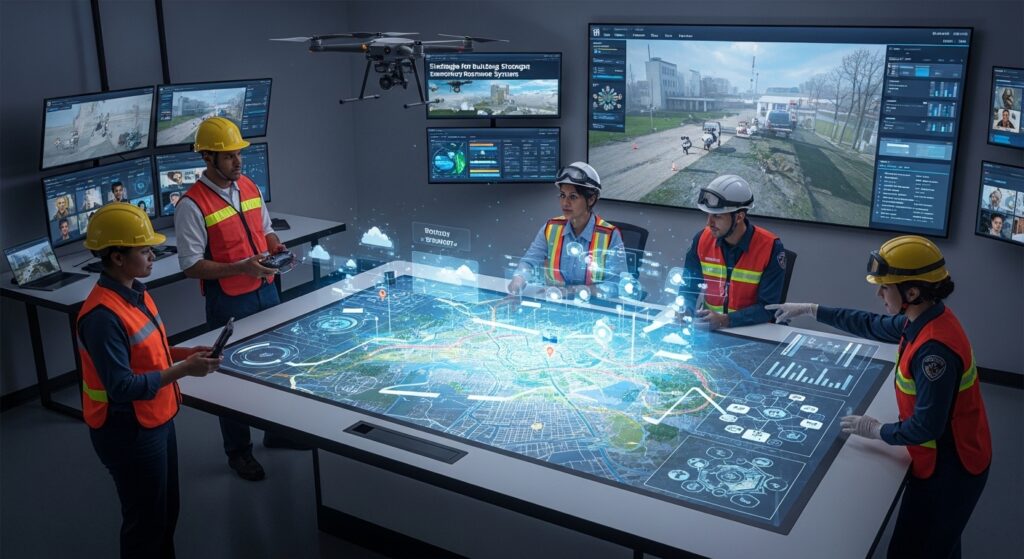
Technology has revolutionized emergency response. Empowering disaster teams means equipping them with cutting-edge tools that increase speed, accuracy, and safety.
Space and environmental monitoring agencies like National Aeronautics and Space Administration provide satellite imagery that helps responders assess disaster zones quickly. Meanwhile, forecasting services such as National Oceanic and Atmospheric Administration enable early warnings that reduce casualties.
Key technological advancements include:
-
Drones for aerial damage assessment
-
Geographic Information Systems (GIS) for mapping risk zones
-
Artificial intelligence for predictive analytics
-
Mobile communication platforms for real-time coordination
-
Wearable devices to monitor responder health
By integrating these technologies, we create safer working environments and faster response times.
Ensuring Adequate Funding and Resources
One of the biggest challenges faced by disaster management crews is limited funding. Empowerment requires sustained financial investment in equipment, infrastructure, and personnel.
Governments should establish dedicated disaster preparedness budgets and emergency funds. International cooperation through frameworks like the Sendai Framework for Disaster Risk Reduction encourages nations to allocate resources for resilience-building initiatives.
Funding should cover:
-
Protective gear and rescue equipment
-
Communication systems
-
Emergency shelters
-
Transportation vehicles
-
Medical supplies
Stable financial backing ensures that disaster management crews are never underprepared.
Enhancing Mental Health and Psychological Support
Disaster response work is emotionally taxing. Exposure to trauma, loss, and destruction can have long-term psychological effects on responders. Therefore, addressing mental health is a crucial component of answering How can we empower the disaster management crew.
Psychological empowerment strategies include:
-
Post-operation counseling sessions
-
Peer support groups
-
Stress management training
-
Rotational deployment schedules to prevent burnout
Organizations like the World Health Organization emphasize mental health support during crisis response. Providing emotional care ensures that responders remain resilient and capable over time.
Promoting Inter-Agency Coordination
Effective disaster management depends on seamless coordination between multiple agencies. Police departments, healthcare institutions, military units, NGOs, and local authorities must collaborate efficiently.
Structured command systems, similar to those implemented by FEMA, create unified leadership during emergencies. Clear communication channels reduce confusion and improve response speed.
Joint drills and collaborative planning exercises strengthen relationships among agencies, leading to smoother operations during real disasters.
Empowering Through Community Engagement
Local communities play a critical role in disaster response. Empowering the disaster management crew also means strengthening their partnership with the public.
Community-based initiatives include:
-
Volunteer training programs
-
Public awareness campaigns
-
School-based disaster education
-
Neighborhood emergency response teams
When citizens are informed and prepared, disaster crews can focus on complex rescue operations rather than basic awareness efforts.
Building Resilient Infrastructure
Infrastructure resilience directly impacts disaster response efficiency. If roads, communication systems, and power grids fail during emergencies, response efforts slow down dramatically.
Countries like Japan have implemented strict building codes to minimize earthquake damage. Investing in resilient infrastructure reduces risks for both communities and responders.
Resilient infrastructure includes:
-
Earthquake-resistant buildings
-
Flood control systems
-
Reliable emergency communication networks
-
Backup power systems
Such investments empower disaster management crews to operate in safer environments.
Leveraging Data and Research
Data-driven strategies enhance disaster management outcomes. Research institutions and universities provide valuable insights into climate trends, hazard patterns, and risk assessments.
Advanced analytics can:
-
Identify high-risk areas
-
Predict disaster impacts
-
Optimize resource distribution
-
Improve evacuation planning
Integrating research findings into operational planning strengthens the effectiveness of disaster management crews.
Encouraging Public-Private Partnerships
The private sector offers valuable expertise and resources that can enhance emergency response efforts. Technology companies provide communication platforms, logistics firms assist in supply chain management, and construction companies contribute to infrastructure rebuilding.
Public-private partnerships expand operational capacity and introduce innovative solutions to disaster management systems.
Supporting Climate Adaptation Strategies
Climate change has intensified disasters worldwide. International agreements like the Paris Agreement emphasize reducing climate risks and promoting sustainable practices.
Adaptation measures such as reforestation, sustainable urban planning, and coastal protection projects reduce disaster frequency and severity. By addressing root causes, we reduce pressure on disaster management crews.
Providing Leadership Development Opportunities
Strong leadership improves decision-making during crises. Empowerment includes cultivating skilled leaders within disaster management organizations.
Leadership programs should focus on:
-
Strategic planning
-
Crisis communication
-
Ethical decision-making
-
Team coordination
Investing in leadership development ensures effective guidance during emergencies.
Ensuring Inclusivity and Diversity
Diverse teams bring varied perspectives and skills to disaster response operations. Inclusivity enhances problem-solving and improves outreach to vulnerable populations.
Empowerment strategies should include:
-
Gender-sensitive disaster planning
-
Accessibility considerations for disabled responders
-
Cultural competence training
An inclusive disaster management crew can better serve diverse communities.
Continuous Evaluation and Improvement
After every disaster, detailed assessments should identify strengths and weaknesses. Feedback mechanisms and performance reviews help refine strategies and improve preparedness.
Continuous improvement fosters innovation and adaptability in disaster response systems.
The Future of Disaster Management Empowerment
Looking ahead, emerging technologies such as robotics, blockchain transparency systems, and AI-powered early warning networks will transform disaster response operations.
International collaboration, knowledge sharing, and sustainable investment will remain critical. Global organizations, governments, and local communities must work together to create integrated resilience systems.
Conclusion
The question How can we empower the disaster management crew demands a comprehensive, long-term approach. Empowerment is not limited to providing equipment—it requires strategic planning, technological innovation, psychological support, financial stability, community engagement, and resilient infrastructure.
By strengthening training programs, investing in modern tools, supporting mental health, promoting coordination, and encouraging global cooperation, we can create disaster response systems that are efficient, compassionate, and sustainable.
Empowered disaster management crews are the backbone of resilient societies. In a world increasingly shaped by environmental and humanitarian challenges, investing in their strength is not just beneficial—it is essential for safeguarding lives, economies, and futures.